You've probably seen the headlines about TrumpRx – a new prescription discount program promising to lower drug prices through "Most-Favored-Nation" pricing and direct negotiations with manufacturers. When I first heard about it, I'll admit – I got excited. As a pharmacist who's spent 15+ years watching patients struggle with medication costs, any promise of real reform gets my attention.
So I put on my pharmacist hat and went back to my roots: digging into the research and running the numbers to see if this could actually help my clients.
Here's what I found.
The Bottom Line Up Front
After cross-referencing all 43 drugs listed on TrumpRx with GoodRx pricing and manufacturer programs, I have to be honest – it's not as revolutionary as the marketing suggests.
Here's the breakdown:
- 34 of 43 drugs are simply rebranded GoodRx coupons (same pricing, same discount codes)
- 5 drugs redirect you to manufacturer programs that already existed before TrumpRx launched
- 3 drugs offer legitimate manufacturer discounts that are better than GoodRx
- 1 drug (Insulin Lispro) may actually be more expensive in some cases
Let me break down exactly what I found in each category.
Category A: Repackaged GoodRx (No Net Value)
34 of the 43 drugs appear to be a straight rebrand of GoodRx with no independent price improvement. These coupons use the exact same BIN and PCN codes as GoodRx, differing only in the vanity Group/Member ID (MAHA/TRUMPRX).
The rebranded drugs include: Duavee, Toviaz, Eucrisa, Prempro, Abrilada, Estring, Protonix, Premarin, Pristiq, Xeljanz, Levoxyl, Cortef, Colestid, Zarontin, Nicotrol, Cytomel, Diflucan, Lopid, Medrol, Tikosyn, Vfend, Viracept, Zyvox, Azulfidine, Azulfidine En-Tabs, Zavzpret, Chantix, Ozempic, Wegovy, Wegovy Tablet, Premarin Vaginal Cream, Ngenla, and Cleocin.
(Note: Genotropin appears to be copied but I was unable to easily correlate it in GoodRx.)
What this means: If you're already using GoodRx for these medications, TrumpRx won't save you anything extra. It's the same discount with different branding.
Category B: Redirected to Existing Manufacturer Programs
For 5 drugs, TrumpRx redirects users to manufacturer direct-purchase programs that already existed prior to TrumpRx's launch:
- Bevespi – AstraZeneca Direct
- Xigduo XR – AstraZeneca Direct
- Farxiga – AstraZeneca Direct
- Airsupra – AstraZeneca Direct
- Zepbound – LillyDirect
While these prices definitely beat GoodRx coupons, TrumpRx is not negotiating new pricing here – it is simply pointing users to established manufacturer channels that were already available.
What this means: These are legitimate savings, but they're not new. You could have accessed these programs directly from the manufacturers before TrumpRx existed.
Category C: Manufacturer Discount Pass-Throughs (Meaningful But Not Novel)
For 3 drugs, TrumpRx provides access to manufacturer pharmacy partnership discounts that are lower than GoodRx and likely strong-in-market. All 3 drugs come from EMD Serono:
- Cetrotide
- Ovidrel
- Gonal-F
These appear to be standard manufacturer discount codes used to acquire new patients. Notably, they are not branded with TrumpRx/MAHA Group or Member IDs, suggesting TrumpRx is passing through manufacturer pricing rather than negotiating MFN-style discounts.
What this means: This represents real savings, and there may have been some coordination by TrumpRx to make these available. However, this is a common industry practice rather than a new pricing mechanism.
Category D: Insulin Lispro – The Confusing One
Insulin Lispro pricing is confusing:
- GoodRx: $31.37
- TrumpRx: $25.00/single or $35/month
This is potentially more expensive depending on usage, or maybe there's a small introductory discount. This medication also did not have the vanity group/member ID, pointing to a direct manufacturer discount.
What this means: Unclear. This one needs more investigation to understand the actual value proposition.
The Biggest Catch: Medicare and Medicaid Restrictions
Here's the part that really matters if you're a Medicare beneficiary (which most of my clients are):
Most of these coupons and discount programs cannot be used with Medicare, Medicaid, or many government insurance programs.
That's right – if you're on Medicare, these discounts likely won't apply to you at all. It's one of the most frustrating limitations in the prescription discount world, and TrumpRx doesn't solve it.
This is a massive limitation that isn't highlighted in the marketing materials, but it's something every Medicare patient needs to know.
Not sure what works with your Medicare plan?
We'll review your medications and find savings that actually apply to you.
The Generic Alternative Problem
Another critical issue: a significant portion of these drugs have generic alternatives, which are typically far cheaper than any discount program – brand name or otherwise.
Generic medications are almost always the most cost-effective option and work seamlessly with Medicare Part D plans, unlike most discount cards.
If your doctor prescribes a brand-name medication on the TrumpRx list, ask if there's a generic alternative. Chances are, that generic will beat any discount program price.
My Verdict
Look, I wanted this to work.
Americans are paying insane prices for prescriptions while we subsidize drug costs for the rest of the world. That's not right, and it needs to change.
But as someone who's been in the trenches for 15+ years, I know the difference between real reform and repackaged marketing. Right now, TrumpRx is mostly the latter.
What TrumpRx actually accomplished:
- Created a centralized location for 43 drug discounts (some new, most not)
- Drew attention to prescription pricing issues
- Potentially facilitated access to a few manufacturer discounts
What TrumpRx didn't accomplish:
- No evidence of "Most-Favored-Nation" pricing negotiations
- No breakthrough pricing mechanisms
- No solution for Medicare/Medicaid patients (the people who need help most)
- Limited drug coverage (only 43 drugs)
I'm Still Hopeful (But Underwhelmed)
The verdict is still out on where this program goes from here.
Any attention on prescription pricing transparency is a step in the right direction. If this administration – and future ones – keep pushing for real reforms that benefit everyday Americans, we might actually see meaningful change down the road.
For now though? I'm underwhelmed.
Having a single place to find the lowest price for drugs would actually be great. But that's a pretty different goal from what TrumpRx appears to be touting with its "Most-Favored-Nation" marketing.
What Actually Works: My Recommendations
After years of helping clients navigate prescription costs, here's what I've learned actually delivers results:
1. Always Ask Your Local Independent Pharmacy for Their Cash Price
You'd be surprised how often paying cash at your local pharmacy beats your Medicare copay or any discount card price. Independent pharmacies have more flexibility to work with you on pricing than big chains.
Why this matters: Sometimes your Part D copay is $50, but the cash price is $20. Your pharmacist can help you figure out which option saves you money.
2. Avoid Programs Like GoodRx
While GoodRx can offer legitimate discounts, they monetize your prescription data and sell it to third parties. Plus, most discount cards can't be used with Medicare anyway.
Privacy matters: Your prescription history is sensitive health information. Don't give it away for a discount you might not even be able to use.
3. Consider Legitimate Canadian Pharmacies for Expensive Medications
For medications not covered well by Medicare – or for patients in the donut hole – we can connect you with legitimate Canadian pharmacies that save clients thousands of dollars through safe, legal channels.
Real savings: We're talking 50-80% off for medications like Eliquis, Januvia, and other brand-name drugs without affordable generics.
4. Review Your Medicare Part D Plan Every Year During AEP
Formularies change. Prices change. Tiers change. What fit last year might cost you hundreds or thousands more this year.
This is where the real money is: I've saved clients $2,000-$5,000 annually just by switching them to a better Part D plan during Annual Enrollment Period.
The Bigger Picture
I appreciate any effort to tackle America's prescription pricing problem. We absolutely should not be subsidizing drug costs for the rest of the world while Americans ration insulin and go bankrupt paying for cancer medications.
TrumpRx is a step toward transparency, even if it's not the breakthrough it's been marketed as.
My hope: That this sparks a larger conversation about:
- Pharmacy Benefit Manager (PBM) reform – the middlemen driving up costs
- Importation from Canada – safe access to lower-priced medications
- Medicare negotiation power – letting Medicare actually negotiate drug prices
- Generic drug market competition – removing barriers that keep generic prices high
Real reform requires systemic change, not just rebranding existing discount programs.
Final Thoughts
Don't rely on headlines to make healthcare decisions.
Whether it's TrumpRx, GoodRx, or any other program, the most important thing is understanding what you're actually getting – and whether it works with your specific situation.
As a pharmacist and Medicare specialist, my job is to cut through the marketing and give you the straight facts so you can make informed decisions about your healthcare.
If you're paying too much for prescriptions, let's talk. I can help you navigate your options with the same honest, straightforward approach you've come to expect from me.
No politics. No hype. Just practical solutions that actually work.
Need Help With Your Medicare Coverage?
Whether it's prescription costs, plan comparisons, or making sure you have the right coverage – we're here to help. We work with clients all across the country.
About the Author
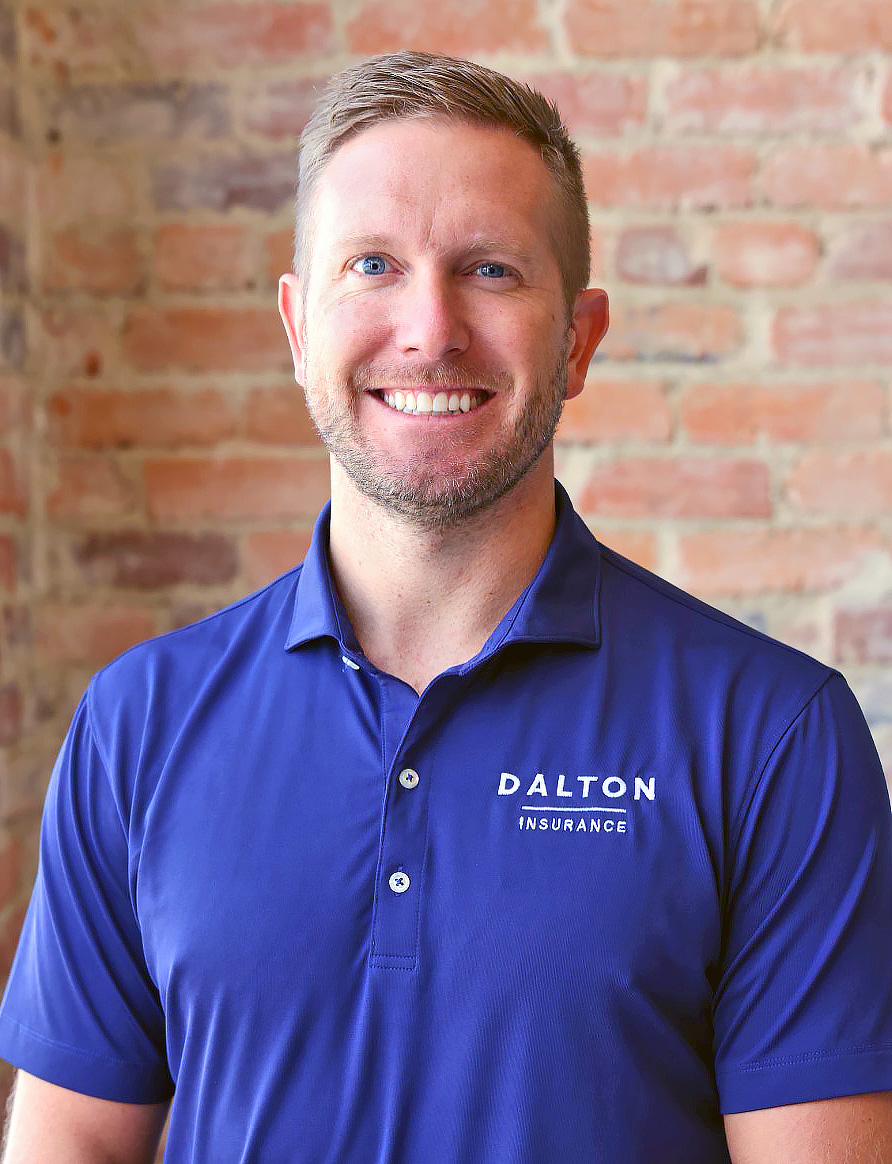
Tyler Dalton, is a licensed pharmacist and Medicare specialist with 15+ years of experience helping clients navigate healthcare and insurance decisions. As owner of Dalton Insurance Agency, Tyler combines clinical expertise with insurance knowledge to provide education-first guidance to Medicare beneficiaries.
Disclaimer: This article is for educational purposes only and does not constitute medical or insurance advice. Always consult with your healthcare provider and licensed insurance agent before making decisions about your medications or insurance coverage.